lorem ipsum dolor sit amet ...
Tidsskrift
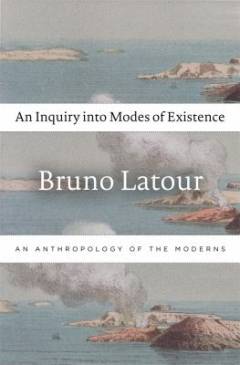
Bog, 2013
...
...
...
...
...
...
...
...
...
...
...
...
Contents; To the reader: user's manual for the ongoing collective inquiry; Acknowledgements; Overview; Introduction: Trusting institutions again?; PART ONE How to make an inquiry into the modes of existence of the moderns possible; 1 Defining the object of inquiry; 2 Collecting documents for the inquiry; 3 A perilous change of correspondence; 4 Learning to make room; 5 Removing some speech impediments; 6 Correcting a slight defect in construction; PART TWO How to benefit from th epluralism of modes of existence; 7 reinstituting the beings of metamorphosis; 8 Making the beings of technology visible; 9 Situating the beings of fiction; 10 Learning to respect appearances; Conclusion, part two: Arranging the modes of existence; PART THREE How to redefine the collectives; 11 Welcoming the beings sensitive to the word; 12 Invoking the phantoms of the political; 13 The passage og law and quasi subjects; 14 Speaking of organization in its own language; 15 Mobilizing the beings of passionate interest; 16 Intensifying the experience of scruples; Conclusion: can we praise the civilization to come?
Artiklen er en del af
Artiklerne i handler ofte om
Fra
Alle registrerede artikler fordelt på udgivelser
...
...
...
...
...
Vi har aldrig været moderne : et essay om symmetrisk antropologi
Bruno Latour
The human touch : our part in the creation of a universe
Michael Frayn
Bruno Latour : hybride tanker i en hybrid verden
Anders Blok

If we lose the Earth, we lose our souls
Bruno Latour
The posthuman
Rosi Braidotti

Vibrant matter : a political ecology of things
Jane Bennett (f. 1957)
The mushroom at the end of the world : on the possibility of life in capitalist ruins
Anna Lowenhaupt Tsing
Introduction to Kant's anthropology
Michel Foucault
Human : på sporet af det menneskelige
Thomas Raab

Genopdagelsen af Jorden : ti samtaler om naturens fremtid
Anders Dunker (f. 1975)