lorem ipsum dolor sit amet ...
Tidsskrift
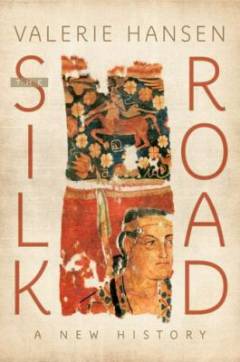
Bog, 2012
...
...
...
...
...
...
...
...
...
...
...
...
At the crossroads of Central Asia : The Kingdom of Kroraina
Gateway to the languages of the Silk Road : Kucha and the caves of Kizil
Midway between China and Iran : Turfan
Homeland of the Sogdians, the Silk Road traders : Samarkand and Sogdiana
The cosmopolitan terminus of the Silk Road : historic Chang'an, modern-day Xi'an
The time capsule of Silk Road history : the Dunhuang Caves
Entryway into Xinjiang for Buddhism and Islam : Khotan
Artiklen er en del af
Artiklerne i handler ofte om
Fra
Alle registrerede artikler fordelt på udgivelser
...
...
...
...
...
Turen går til Estland, Letland & Litauen
Karin Larsen (f. 1961)

Rus : vikinger i øst
The silk roads : a new history of the world
Peter Frankopan
Turen går til Tyrkiet
Carsten Fenger-Grøndahl
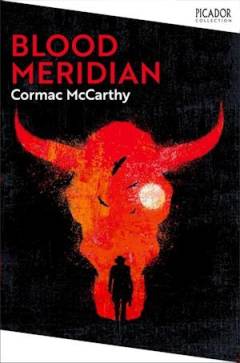
Blood meridian or the evening redness in the West
Cormac McCarthy
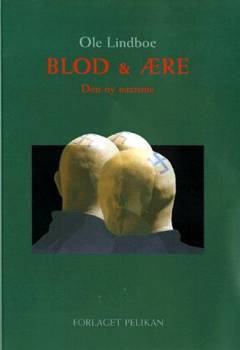
Blod & ære : den ny nazisme
Ole Lindboe
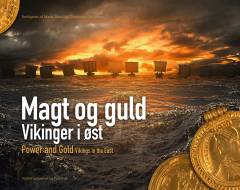
Magt og guld : vikinger i øst
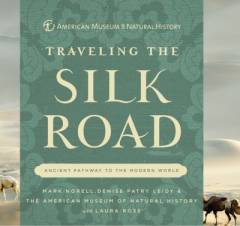
Traveling the Silk Road : ancient pathway to the modern world
Mark Norell
The Silk road : two thousand years in the heart of Asia
Frances Wood
War and storm : treasures from the sea around Sicily