lorem ipsum dolor sit amet ...
Tidsskrift
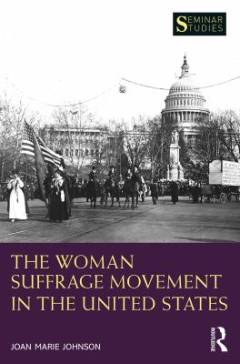
E-bog, 2022
Cover -- Half Title -- Series -- Title -- Copyright -- Contents -- List of Figures -- Chronology -- Who's Who -- Glossary of Organizations -- Abbreviations -- Part I Background -- 1 Introduction -- A Long and Diverse Suffrage Movement -- Prioritizing the Right to Vote -- Studying the Suffrage Movement -- Part II Analysis -- 2 Early Demands for Women's Rights -- The American Revolution and Natural Rights -- Growing Educational Opportunities for Education for Women -- Industrialization and Separate Spheres in the Early Republic -- The Second Great Awakening -- Moral Suasion and the Early Nineteenth-Century Reform Movement -- Conclusion -- 3 Women in the Anti-Slavery Movement -- A Range of Viewpoints Among Abolitionists -- Maria W. Stewart, the First Woman Abolitionist Lecturer -- Lucretia Coffin Mott and the Philadelphia Female Anti-Slavery Society -- Angelina and Sarah Grimke Defend Women's Anti-Slavery Activism -- Conclusion -- 4 Women's Rights Convention Begin -- Petitions for Woman Suffrage at the New York State Constitutional Convention in 1846 -- The World's First Women's Rights Convention, Seneca Falls, New York, 1848 -- Women's Rights Conventions Continue -- Sojourner Truth Preaches Against Racism and Sexism -- Other Black Women Activists at Women's Rights Conventions -- Conclusion -- 5 Suffrage and Citizenship After the Civil War -- Susan B. Anthony -- American Equal Rights Association and Universal Suffrage -- Stanton and Anthony Abandon Universal Suffrage -- Human Rights and Citizenship Rights -- Supreme Court Decisions Fail to Support Women's Rights -- Conclusion -- 6 The Woman's Christian Temperance Union, the Home Protection Ballot, and Women's Clubs -- The Progressive Reform Era, 1880s-1910s -- Woman's Christian Temperance Union -- Frances Willard Advocates for the Home Protection Ballot ; The Woman's Christian Temperance Union in the South -- The Rise of Women's Clubs -- Mary Church Terrell and the National Association of Colored Women's Support for Suffrage -- Black Clubwomen and the Disenfranchisement of Black Men in the South -- White Clubwomen and the General Federation of Women's Clubs -- Municipal Housekeeping -- Conclusion -- 7 State Suffrage Campaigns in the Late Nineteenth Century -- Early Efforts in the Western Territories and States -- The 1896 California Referendum -- Carrie Chapman Catt and Early Iowa Suffrage Efforts -- Conclusion -- 8 The Suffrage Movement Expands -- The Southern Strategy -- NAWSA Promotes Racism to Win Suffrage -- Raising Money From Wealthy Women for NAWSA -- College Equal Suffrage League -- Working-Class Women and the Women's Trade Union League -- The Uprising of the 20,000 -- Conclusion -- 9 Infighting at NAWSA Headquarters -- Recruiting Wealthy Donors to the Movement -- Alva Vanderbilt Belmont and the New NAWSA Headquarters -- Conflict at Headquarters Continues With New Auditor Katharine McCormick -- Conclusion -- 10 Victory in California -- Working-Class and Wealthy Women Combine Efforts in California's Campaign -- Obtaining Support From Diverse Voters -- California's Strategy Adopted by Other States -- Conclusion -- 11 Suffragists Take to the Streets -- "Open Air" Speakers -- Suffrage Parades -- Alice Paul and the Washington, DC Suffrage Parade -- Black Women and the Washington, DC Parade -- Ida B. Wells, Anti-Lynching Activist and Suffragist -- Ida B. Wells and the Washington, DC Suffrage Parade -- Marie Bottineau Baldwin and the Washington, DC Suffrage Parade -- Washington, DC Marchers Attacked -- Conclusion -- 12 Rival National Associations -- Alice Paul and the New Congressional Union -- The Rift Widens -- Paul Leaves NAWSA With Alva Belmont -- Conclusion ; 13 The Public Relations Campaign to Win Support for Suffrage -- The Importance of Letters -- NAWSA's Bureau of Suffrage Education -- Publicity Through Mainstream and Suffrage Newspapers -- The Woman's Journal Becomes NAWSA's Official Newspaper -- Conclusion -- 14 Campaign Strategy in Illinois, Iowa, and New York -- Presidential Suffrage in Illinois -- Illinois Women Have the Vote -- Unsuccessful Campaigns in Iowa -- The Importance of New York -- Upstate New York and New York City -- Black Suffragists in New York -- Success in New York in 1917 -- Conclusion -- 15 Lobbying Congress for the Nineteenth Amendment -- Appealing to Southern White Senators -- Punishing the Party in Power -- Carrie Chapman Catt and the Winning Plan -- Suffrage House, Washington, DC -- The National Woman's Party -- White House Pickets -- Conclusion -- 16 The National Woman's Party and NAWSA in South Carolina, New Mexico, and Texas -- South Carolina Organizes for Suffrage -- Opposition to Woman Suffrage in South Carolina -- New Mexico Women Prioritize the Federal Amendment -- Nina Otero-Warren Leads the New Mexico National Woman's Party -- Texas Women and Primary Election Voting -- Organizing Black Women in Texas -- Woman Suffrage and Citizenship Voting Amendments in Texas -- Conclusion -- 17 Suffragists Win Support in Congress for a Federal Amendment -- Suffragists Support World War I -- Passage of the Nineteenth Amendment in Congress -- Suffragists Burn Wilson in Effigy -- Congress Votes for the Nineteenth Amendment -- Conclusion -- 18 Tennessee: The Thirty-Sixth State to Ratify the Nineteenth Amendment -- The Road to Thirty-Six States -- Tennessee: The Long Road to Ratification -- Suffragists Go to Tennessee -- Ratification at Last -- Conclusion -- Part III Assessment -- 19 Conclusion: The Nineteenth Amendment and Voting Rights From 1920 to the Present ; Black Women in the South -- Immigration, Race, and Citizenship -- Black Women Appeal to White Women for Assistance -- The Voting Rights Act of 1965 -- The Women's Rights Movement -- Conclusion -- Part IV Documents -- Documents -- Guide to Further Reading -- References -- Index
Artiklen er en del af
Artiklerne i handler ofte om
Fra
Alle registrerede artikler fordelt på udgivelser
...
...
...
...
...